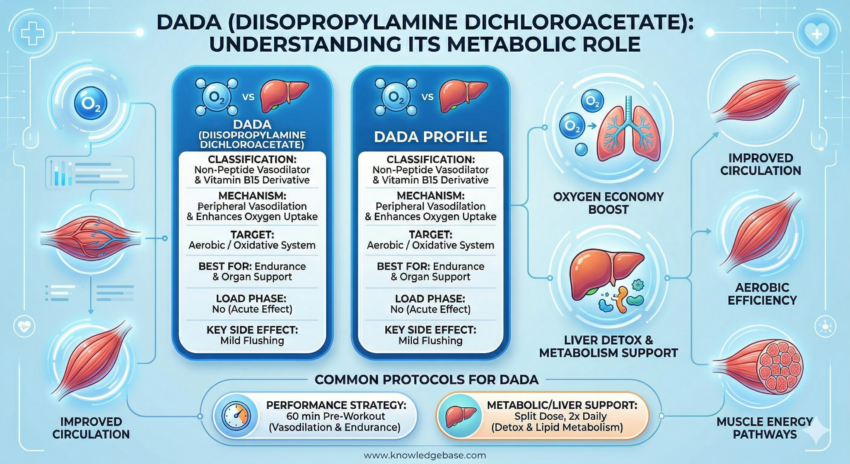
Classification: Metabolic Vasodilator / Vitamin B15 Derivative (Non-Peptide)
Quick Reference Guide
- Mechanism / Pathways: Acts as a peripheral vasodilator by relaxing vascular smooth muscle. It activates pyruvate dehydrogenase, facilitating the conversion of lactic acid into acetyl-CoA, thereby enhancing aerobic metabolism and oxygen utilization.
- Genomic vs. Non-Genomic: Primarily Non-Genomic. It exerts rapid effects on enzyme activity and vascular tone rather than altering gene expression.
- Key Benefits: * Significant reduction in lactic acid buildup.
- Enhanced oxygen uptake (anti-hypoxic).
- Improved liver detoxification and lipid metabolism.
- Reduction in peripheral vascular resistance (lower blood pressure).
- Dosing Range: * Oral: 50mg – 150mg daily.
- Injectable (IM/IV/SUB Q): 20mg – 100mg per administration.
- Dosing Strategy: Best used 60 minutes pre-workout for performance or split into two daily doses for liver/metabolic support.
- Half-Life: Relatively short; approximately 2–4 hours.
- Peak Saturation: Reaches peak plasma concentration within 30–60 minutes post-administration.
- Duration of Use: Generally used in cycles of 4–8 weeks during high-intensity phases or as needed for acute performance.
- Detectability: Not currently on the WADA prohibited list, though always verify specific league regulations.
Safety & Interactions
- Side Effects: Facial flushing, mild hypotension (dizziness), temporary sweating, or gastrointestinal upset if taken on an empty stomach.
- Synergies: * B-Complex Vitamins: Enhances the metabolic pathways of B15.
- L-Carnitine: Synergistic for fat oxidation and ATP production.
- BPC-157: Often paired for systemic recovery and blood flow.
- What to Avoid: * Heavy Antihypertensives: May cause a synergistic drop in blood pressure.
- Excessive Alcohol: Can strain the liver pathways DADA is attempting to support.
- Severe Dehydration: Vasodilators require adequate blood volume to be effective and safe.
General Notes
Diisopropylamine Dichloroacetate (DADA) is often the “unsung hero” in metabolic protocols, frequently found in high-end vitamin blends or liver support formulations. Unlike stimulatory pre-workouts that tax the central nervous system, DADA works by making the body more efficient at using the oxygen it already has. By lowering peripheral resistance, it allows the heart to pump more blood with less effort, which is why athletes often report a “second wind” during high-volume sessions.
From a coaching perspective, DADA is particularly valuable during “clean bulk” phases or periods of intense cardiovascular strain. Because it assists the liver in processing lipids and clearing toxins, it serves a dual purpose: protecting the organs from metabolic stress while simultaneously pushing the threshold of muscular endurance. It is a foundational tool for optimizing the internal environment rather than just “masking” fatigue.
When implementing DADA into a protocol, the focus should remain on its ability to buffer acidity. It is less about a “kick” and more about the absence of the “burn” that usually halts a set. For clients focusing on longevity and organ health, its ability to reduce arterial tension makes it a sophisticated alternative to more aggressive vasodilators.
DADA vs. Metabolic Buffers: Performance Comparison
While many supplements aim to delay fatigue, they target different physiological pathways. This table compares DADA to the most common metabolic buffers used in high-performance protocols.
| Feature | DADA | Beta-Alanine | Sodium Bicarbonate |
| Primary Mechanism | Peripheral Vasodilation & Oxygen Uptake | Increases Intracellular Carnosine | Increases Extracellular Buffering |
| Target Pathway | Aerobic / Oxidative | Intracellular pH (Lactic Acid) | Blood pH (Hydrogen Ions) |
| Best For | Endurance & Organ Support | High-Rep Hypertrophy (8–15) | Max Intensity Sprints/Sets |
| Primary Benefit | Reduced Heart Workload | Delayed “Burn” | Massive Lactate Threshold |
| Main Side Effect | Mild Flushing | Paresthesia (Tingling) | GI Distress / Bloating |
| Loading Phase? | No (Acute Effect) | Yes (Requires 2–4 weeks) | No (Acute Effect) |