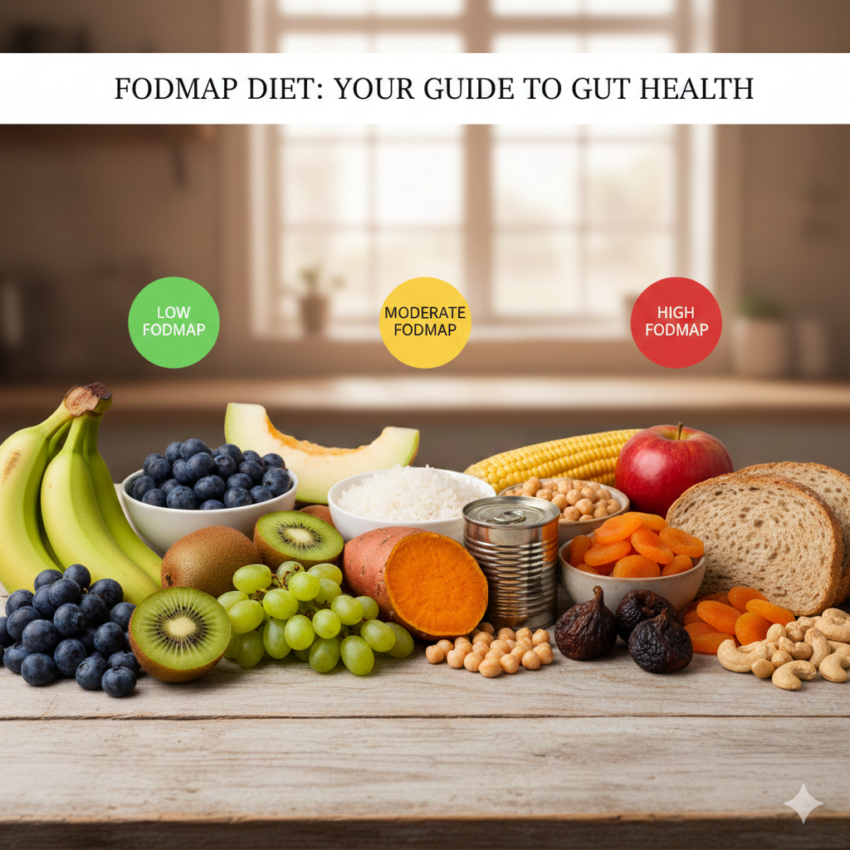
The Low FODMAP diet is a temporary elimination diet and therapeutic tool designed to manage symptoms of Irritable Bowel Syndrome (IBS) and other functional gastrointestinal disorders. FODMAP stands for Fermentable Oligo-, Di-, Mono-saccharides, and Polyols—which are poorly absorbed short-chain carbohydrates found in various foods, including certain fruits, vegetables, grains, and sweeteners. For someone with IBS, consuming high amounts of these substances causes them to travel undigested to the large intestine, where they are rapidly fermented by gut bacteria. This fermentation process produces gas and draws water into the bowel, leading directly to the characteristic IBS symptoms of bloating, gas, pain, and diarrhea or constipation.
The goal during the initial phase is to primarily choose Low FODMAP foods to bring symptoms under control. However, providing a variety of options is crucial for maintaining food satiety and nutritional balance; therefore, you will find some Medium and High FODMAP sources listed. If you are in the elimination phase, you should generally avoid High FODMAP foods. The Moderate items may be tolerated by some, but are often tested during the reintroduction phase. It is critical to note that if any food, even one labeled “Low FODMAP,” causes digestive discomfort or triggers symptoms, you must eliminate it immediately as individual tolerance always overrides generalized guidelines. By reducing FODMAPs, particularly for those with acid reflux (GERD) alongside IBS, we aim to minimize excessive gas and bloating, which might otherwise put pressure on the stomach and contribute to reflux. The ultimate benefit is achieving symptom control and improving overall gut health and quality of life by tailoring a sustainable diet specific to individual tolerances.
The Low FODMAP Protocol Timeline
The Low FODMAP diet is not meant to be permanent. It is a three-phase process designed to identify your specific triggers and build a personalized, sustainable diet.
Phase 1: Elimination (2–6 Weeks)
- Goal: Strict adherence to the Low FODMAP diet to achieve complete symptom relief.
- Action: Only consume foods from the Low FODMAP Sources list below. Avoid all High and Moderate sources. Track your symptoms daily to establish a new baseline of comfort.
- Duration: Stop this phase once symptoms are controlled (usually 2-6 weeks). If symptoms do not improve, consult your healthcare provider to investigate other causes.
Phase 2: Reintroduction (6–8 Weeks)
- Goal: Systematically test the five groups of FODMAPs to identify which ones you react to.
- Action: Introduce a single High FODMAP food from one group (e.g., Fructans from wheat bread) in increasing amounts over three days. Return to the strict Low FODMAP diet for 2–3 days to allow symptoms to clear. If symptoms arise, you are sensitive to that FODMAP group. If no symptoms, you tolerate it.
- Testing Protocol: Test one FODMAP group at a time (Fructans, Lactose, Excess Fructose, Galacto-oligosaccharides/GOS, Polyols/Sorbitol & Mannitol).
Phase 3: Personalization (Ongoing)
- Goal: Build a long-term diet that includes all tolerated FODMAPs and minimizes only your specific triggers.
- Action: Reintroduce foods you found tolerable and continue to limit or avoid only the specific FODMAPs that caused symptoms. The goal is to eat the most liberal diet possible while remaining symptom-free.
Supplement Cheat Sheet for Gut Health
Supplements can be used during the elimination or personalization phases to support gut healing and address underlying imbalances, but always consult with your healthcare provider or a registered dietitian before starting any new supplement.
| Supplement | Primary Benefit for Gut Health | General Dosing Recommendation |
| L-Glutamine | Essential amino acid; fuels gut cells (enterocytes) and helps repair the intestinal lining (treating “leaky gut”). | 5–10 grams, 1–2 times per day, mixed in water, away from meals. |
| Oil of Oregano | Broad-spectrum antimicrobial. Used to target bacterial overgrowth (SIBO), often responsible for IBS symptoms. | Follow product label instructions (typically 1–2 softgels/capsules daily) for a limited duration (e.g., 2–4 weeks). |
| Peptide BPC-157 | A synthetic peptide used for its regenerative and anti-inflammatory properties, specifically targeting tissue repair in the GI tract. | Dosing is highly variable and depends on the form (capsule vs. injectable); requires medical supervision. Consult your doctor. |
| Digestive Enzymes | Aids in breaking down fats, proteins, and carbohydrates, reducing the amount of undigested food reaching the colon. | Take 1 capsule with each meal. Look for enzymes that include lactase (for lactose) and alpha-galactosidase (for GOS). |
| Probiotics (Specific Strains) | Helps rebalance the gut microbiome. Strains like Bifidobacterium infantis or Lactobacillus plantarum 299v are often beneficial for IBS. | Follow product instructions; typically 1 capsule daily. Start low and monitor symptoms. |
| Betaine HCl | Helps restore stomach acid (HCl), improving digestion and reducing the likelihood of SIBO. Beneficial for some with reflux. | 1–3 capsules with protein-containing meals. Do not use if you have active ulcers. |
Comprehensive List of FODMAP Carbohydrate Sources
This list is organized from High to Low FODMAP status. Measurements have been removed to focus on the food item and its FODMAP rating/issue.
High FODMAP Sources (Avoid in Elimination Phase)
- Apples (Fresh) – Issue: Excess Fructose & Sorbitol
- Apricots (Dried) – Issue: Sorbitol & Fructans
- Bananas (Ripe) – Issue: Fructans
- Barley (Pearled, Dry) – Issue: Fructans
- Beans (Kidney, Cooked) – Issue: GOS & Fructans
- Beans (Baked, Standard) – Issue: Fructans & GOS
- Blackberries (Fresh) – Issue: Sorbitol
- Bread (Wheat/Rye) – Issue: Fructans
- Cashews (Raw) – Issue: GOS & Fructans
- Cherries (Fresh) – Issue: Fructose & Sorbitol
- Couscous (Dry) – Issue: Fructans
- Dates (Dried) – Issue: Fructans
- Figs (Dried) – Issue: Fructans
- Mango (Fresh) – Issue: Fructose
- Pasta (Wheat, Dry) – Issue: Fructans
- Peaches (Fresh) – Issue: Sorbitol & Fructose
- Pears (Fresh) – Issue: Fructose & Sorbitol
- Pistachios (Shelled) – Issue: GOS & Fructans
Moderate FODMAP Sources (Proceed with Caution)
- Chickpeas (Canned/Rinsed) – Issue: Moderate GOS
- Corn (Sweet, Cooked) – Issue: Moderate Sorbitol
- Oats (Rolled, Dry) – Issue: Safe for most, but high fiber content can be an issue
- Sweet Potato (Cooked) – Issue: Moderate Mannitol
Low FODMAP Sources (Safe for Elimination Phase)
- Bananas (Unripe/Green)
- Blueberries (Fresh)
- Bread (Sourdough, Spelt/Oat)
- Cantaloupe (Fresh)
- Grapes (Fresh)
- Kiwi (Fresh)
- Lentils (Canned/Rinsed)
- Oranges (Fresh)
- Pasta (Gluten-Free, Dry)
- Pineapple (Fresh)
- Popcorn (Air Popped)
- Potatoes (Russet/White, Cooked)
- Quinoa (Cooked)
- Raspberries (Fresh)
- Rice (White/Brown, Cooked)
- Rice Cakes (Plain)
- Rice Krispies (Cereal)
- Strawberries (Fresh)
Key Takeaways and Next Steps
The Low FODMAP diet is a structured, temporary approach to achieving long-term symptom relief from IBS. Remember the following core principles:
- Eliminate, Then Test: The goal is not permanent restriction but identifying your specific triggers. Spend 2–6 weeks strictly on the Low FODMAP Sources before moving on to systematic reintroduction.
- Listen to Your Body: Individual tolerance is paramount. If any food, regardless of its status on this list, causes discomfort, stop consuming it.
- Support Your Gut: Supplements like L-Glutamine and specific probiotics can aid in repairing the gut lining and restoring balance, but always discuss these with a healthcare professional first.
- The End Goal is Freedom: The ultimate success of the diet is establishing a personalized, unrestricted diet that allows you to manage your symptoms and enjoy the widest variety of foods possible.